Confidence is complicated in adolescence, and for neurodiverse teens it can be even more layered.
Adolescence is already a season of comparison, identity-building, social pressure, and rapid change. Add learning differences, communication challenges, executive functioning struggles, sensory needs, disability, or anxiety, and confidence can start to wear down in small pieces. Many neurodiverse teens do not need more pressure to “just believe in themselves.” They need conditions that help confidence grow for real.
Real confidence is not built on empty praise. It grows from competence, belonging, self-understanding, and agency.
Many neurodiverse teens have heard more correction than affirmation for years. They may hear “pay attention,” “try harder,” “stop interrupting,” or “why can’t you do it like everyone else?” more often than they hear language that reflects how much effort daily life may actually take. Over time, repeated messages can harden into identity. A teen who struggles with planning may begin to believe they are lazy. A teen who misses social cues may conclude they are broken or unlikeable. A teen who needs accommodations may quietly decide they are less capable than everyone else.
Parents can begin shifting this by changing the language around difficulty. Instead of defining the teen by the struggle, name the challenge specifically and neutrally: “Transitions take more energy for you.” “You do better when steps are visible.” “Crowded environments drain you.” “You know the content, but organization gets in the way.” It reduces shame and builds self-awareness.
Self-awareness matters because it is the foundation of self-advocacy. Confidence is not just feeling good. It is the growing belief that, “I understand what I need, and I can participate in getting it.” That is why parents should gradually involve teens in problem-solving instead of doing all the problem-solving around them. Ask questions like: What part of the day feels hardest right now? What helps when you get overwhelmed? Do you want to say this to the teacher yourself, or practice it together first?
For older students, this matters even more. Confidence grows when teens experience themselves not just as children being managed, but as people preparing for adulthood. That includes learning how to describe their needs, use supports, make choices, recover from setbacks, and take part in planning for school, work, and daily life. A teen who helps make the agenda for a school meeting, attends part of that meeting, or practices asking for an accommodation is building both confidence and transition readiness.
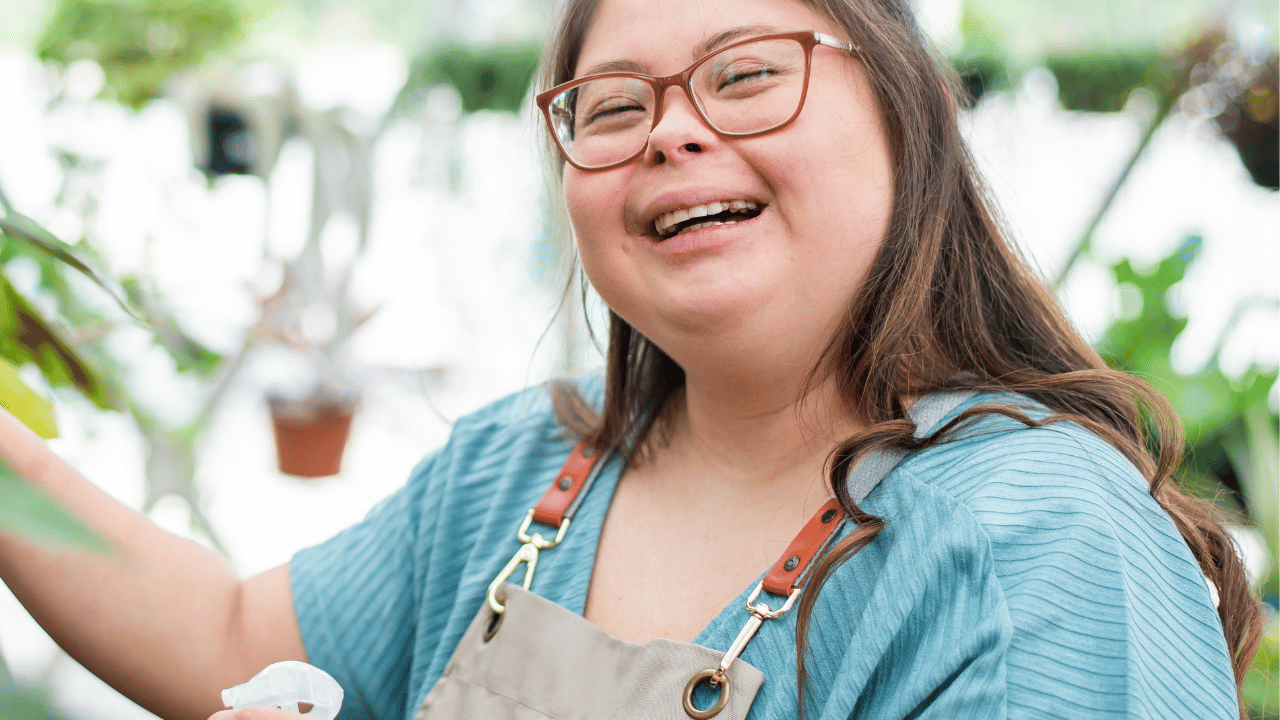
Another overlooked piece of confidence is fit. Many neurodiverse teens spend most of their time in environments that highlight what is hardest for them. A teen who struggles in a noisy classroom may shine in robotics, coding, digital art, theater tech, animal care, gardening, design, or cooking. Confidence often starts to return when a teen repeatedly experiences a setting where they are not always the one falling behind.
Why parents should watch closely for where their teen’s energy changes. What topics create focus? What settings lower friction?
Where do they feel useful? What roles let others see their strengths? Competence is one of the strongest builders of confidence because it gives teens evidence that they can do hard things.
Belonging matters just as much. A teen who repeatedly feels misunderstood, excluded, rushed, or talked about more than talked to is likely to internalize that. Confidence-building is not only an internal mindset task. It is also an environmental one. Parents can ask themselves: Does my teen have spaces where they are respected? Do adults speak to them directly? Are they allowed to have support without being infantilized?
Parents should also be careful not to confuse confidence with boldness. Some teens are quiet but secure. Others sound confident while feeling deeply shaky inside. Neurodiverse teens may also mask, working hard to hide differences in order to fit in socially. Masking can help them get through the day, but it can also leave them exhausted and disconnected from themselves. Confidence should be built around authenticity and support.
Support does not mean removing every hard thing. Confidence grows when teens are allowed to do hard things with the right scaffolding nearby. Parents can break large tasks into steps, rehearse difficult conversations, adjust environments, and teach strategies — but still leave room for the teen to participate, decide, try, fail, recover, and try again. A teen who learns, “I can ask for help,” or “I can restart after a rough day,” is building something deeper than surface self-esteem.
Mental health also cannot be ignored here. When a teen’s confidence has been worn down for years, there may also be anxiety, depression, school avoidance, burnout, perfectionism, or harsh self-talk. In those cases, confidence-building may need to include counseling, mentoring, or a reduction in environments that repeatedly trigger shame. Identity matters too. Many neurodiverse teens benefit from seeing examples of adults with disabilities or neurodevelopmental differences who live full, meaningful lives. Representation expands a teen’s sense of what is possible.
At iamnoorie.org, we believe confidence is not built by asking neurodiverse teens to become someone else.
It is built by helping them understand themselves, develop real skills, find environments where they belong, and participate in shaping their own future.
So if your teen seems discouraged, withdrawn, perfectionistic, or unsure of themselves, start small. Notice where shame shows up. Notice where competence shows up. Notice what drains them. Notice what restores them. Notice where your support empowers them — and where it may accidentally speak over them.
Confidence is usually not one big breakthrough. More often, it is the slow accumulation of experiences that teach a young person:
I am not broken.
I can learn what I need.
I can ask for support.
I have something real to offer.
I do not need to become less myself in order to belong.